Start with a breakfast formula, not a perfect recipe
Most mornings become easier when you stop searching for a completely new recipe and work with four simple parts: a carbohydrate base, a protein source, an energy-dense addition and something you enjoy for flavour or freshness.
| Part | Everyday options | Why it is useful |
|---|---|---|
| Base | Oats, bread, cereal, potatoes, a wrap | Gives the meal structure and a familiar source of energy |
| Protein | Eggs, yogurt, milk, soy yogurt, tofu, beans | Makes breakfast more complete and supports daily protein intake |
| Energy booster | Nut or seed butter, nuts, seeds, cheese, avocado, olive oil | Adds energy without requiring a much larger portion |
| Flavour or produce | Banana, berries, tomatoes, herbs, cinnamon, honey | Makes the meal feel like food you want to eat, not a calculation |
You do not need all four parts every day. The formula is a way to notice what is missing. Toast alone may be easy but light; adding eggs and avocado changes it without changing the entire breakfast.
Ten weight gain breakfast ideas worth repeating
Use these as starting points rather than fixed prescriptions. Portions and ingredients can change with appetite, allergies, dietary pattern and the rest of your day.
- Peanut butter, banana and yogurt toast. Spread nut or seed butter on toast, add sliced banana, and serve yogurt on the side. It is quick, familiar and easy to scale with a second slice.
- Overnight oats that are not an afterthought. Combine oats with milk or a suitable alternative, yogurt, fruit and nuts or seeds. Prepare it at night so the morning decision has already been made.
- Eggs, cheese and toast. Scrambled eggs with cheese and toast work when you want something warm without a long recipe. Add tomatoes, spinach or fruit according to preference.
- A breakfast burrito. Fill a wrap with eggs or tofu, beans, cheese, avocado and salsa. Make several fillings ahead, then assemble or reheat in the morning.
- Fuller porridge. Cook oats with milk, then add banana, nut butter, dried fruit, nuts or seeds. Choose one or two additions you genuinely like instead of turning the bowl into a chore.
- Yogurt, muesli and fruit. Layer yogurt with muesli, fruit and a spoonful of nut or seed butter. This works especially well when cooked breakfast feels too heavy.
- Beans or eggs on toast. A savoury option can be easier than forcing down another sweet breakfast. Add cheese, avocado or olive oil if those foods suit you.
- A breakfast sandwich. Use eggs, cheese, tofu, meat or a plant-based alternative in bread, an English muffin or a bagel. Wrap it for a commute instead of assuming breakfast must happen at the table.
- A smoothie with something to chew. Blend milk or a suitable alternative with yogurt, fruit, oats and nut or seed butter. Pair it with toast or another small solid food if drinking a full breakfast leaves you hungry soon after.
- Leftovers. Rice, potatoes, pasta or last night's meal can be breakfast. There is no nutritional rule that says a morning meal must look like cereal or toast.
A useful test: if an idea looks impressive but you would not make it twice next week, it is probably not your best weekday breakfast.
If your appetite is small in the morning
Do not assume the answer is always a larger plate. The NHS suggests smaller meals more often and adding calories with foods such as cheese, nuts and seeds. That can mean eating a modest breakfast, then planning a second morning snack rather than trying to finish everything at once.
Liquids can be useful because some people find them easier to manage, but timing matters. Drinking a large amount immediately before eating may reduce appetite. Try a smaller drink with breakfast or a nourishing drink between meals and notice what works for you.
Build one default and two backups
A long list of breakfast ideas is only helpful if it survives Monday morning. Choose one default breakfast you can make without thinking, one portable option and one low-appetite option. Keep the ingredients visible and replace them before they run out.
For example, your default might be oats with yogurt and nut butter. Your portable backup could be a breakfast sandwich. Your low-appetite option might be a smaller yogurt bowl followed by toast later. This is more realistic than expecting the same appetite and schedule every day.
If you are designing the rest of the day as well, use the same principle in our guide to building a weight gain meal plan. For broader food choices, see foods for healthy weight gain.
Use the log to learn, not to grade breakfast
Logging breakfast can reveal a practical problem: perhaps the meal is regularly skipped, is difficult to estimate, or leaves too much of the day's target for the evening. The goal is not to award a “good” or “bad” score. It is to make the pattern visible.
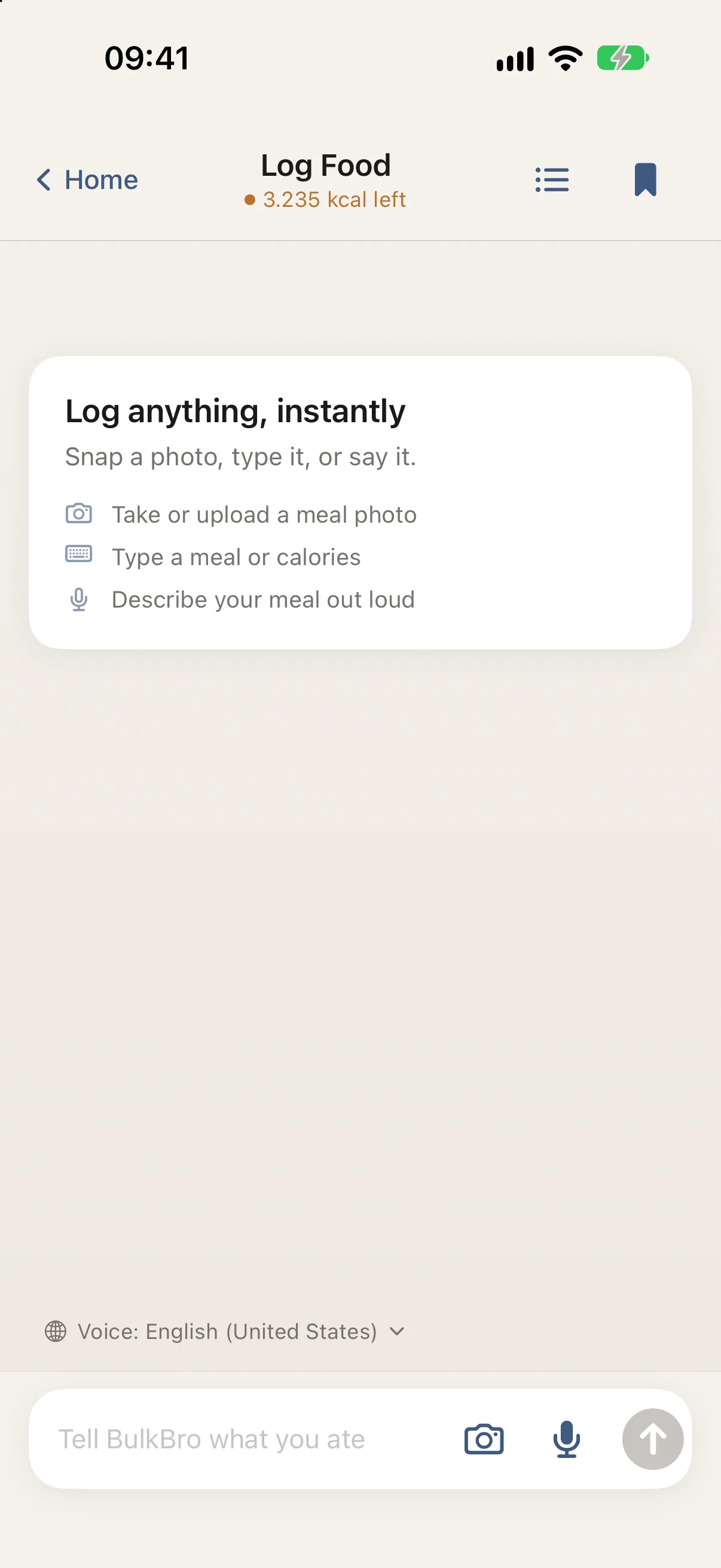
Review several days together. A single light breakfast is not a trend, and a single large one does not prove the plan is working. Pair food logs with consistent weigh-ins and how you actually feel. Our guide to tracking calories for weight gain explains how to use estimates without chasing false precision.
Know when breakfast ideas are not the whole answer
Generic weight gain advice is not appropriate for every situation. Unintentional or sudden weight loss, persistent low appetite, digestive symptoms, or difficulty eating deserve professional attention. The NHS advises speaking with a GP when weight loss happens suddenly or without a change in diet or exercise.
Medical conditions, pregnancy, allergies, diabetes, kidney disease and eating-disorder history can change what is suitable. A registered dietitian or other qualified healthcare professional can adapt food choices and portions to your needs.
Sources
- NHS: Healthy ways to gain weight.
- North Tees and Hartlepool NHS Foundation Trust: Dietary advice about gaining weight in a healthy way.
- Academy of Nutrition and Dietetics: Healthy weight gain.
This guide offers general education and flexible meal ideas, not a personal calorie target or individualized nutrition plan.

Adaptive weight-gain planning
See how breakfast fits the whole day.
BulkBro keeps your current calorie target, food logs and weight trend together, so you can make small changes based on what actually happened.
View BulkBro on the App Store ↗